


Description
Product Overview
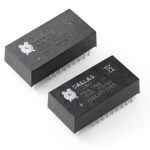
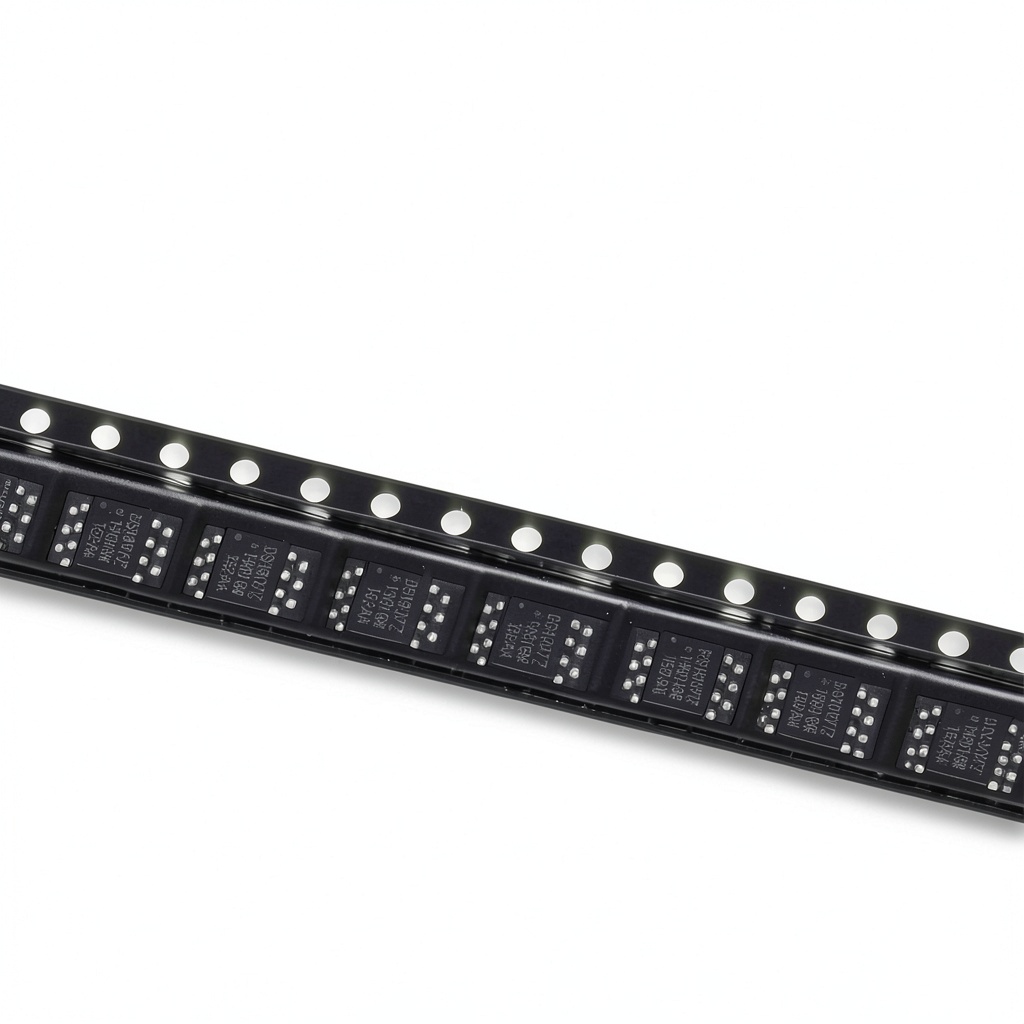
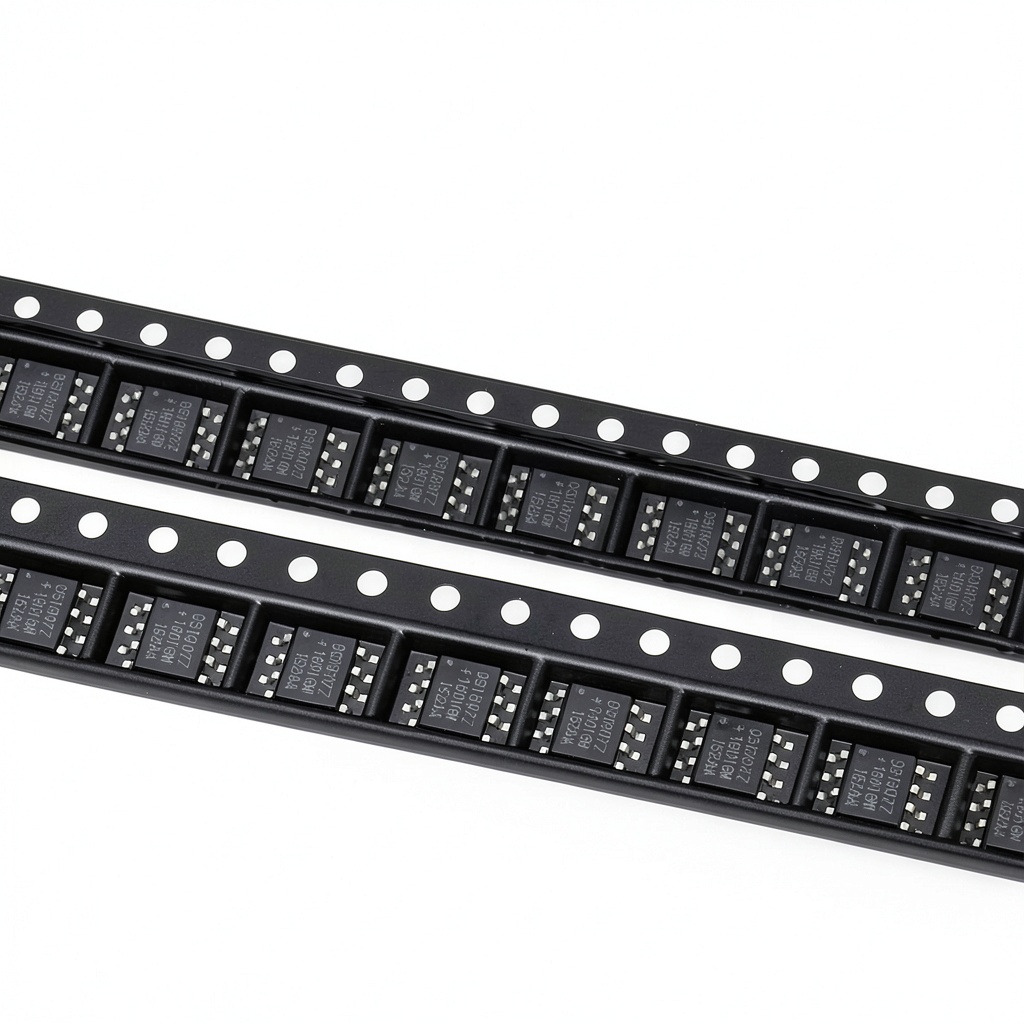
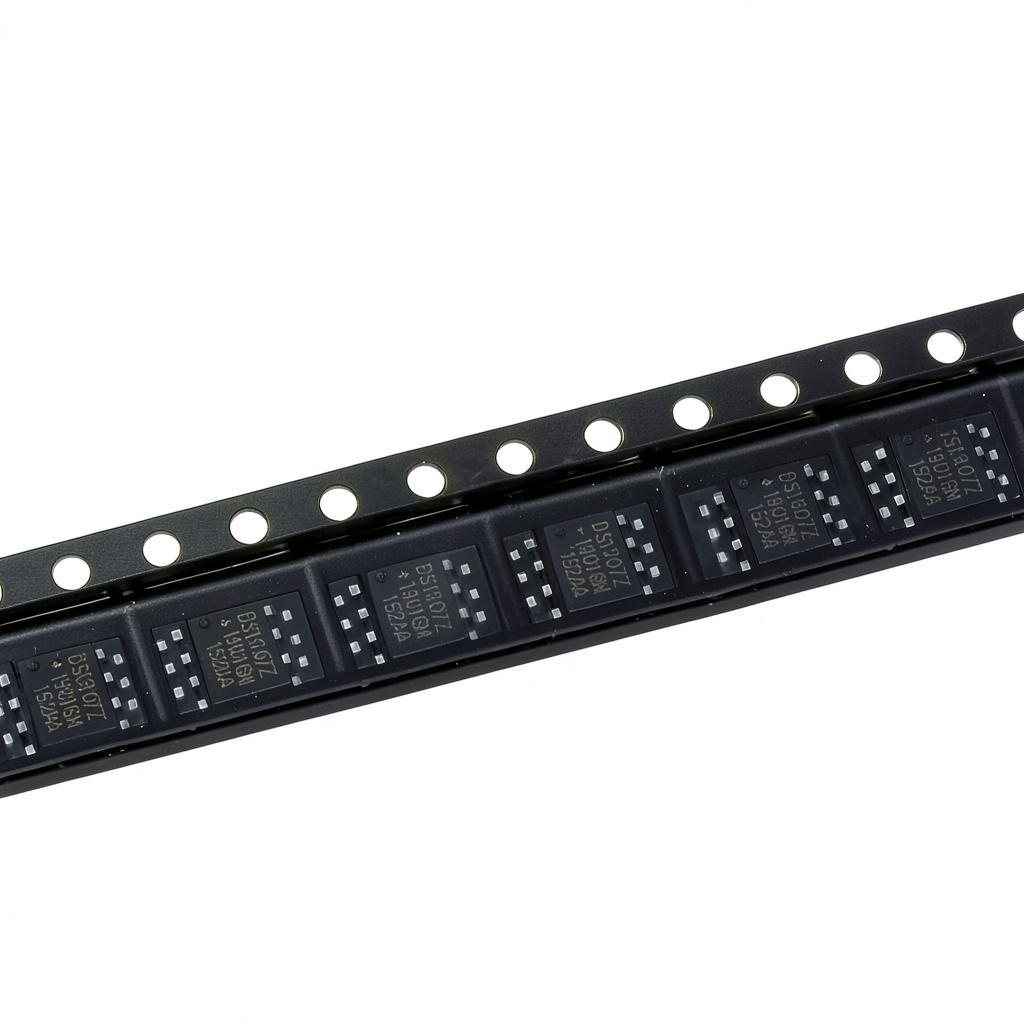
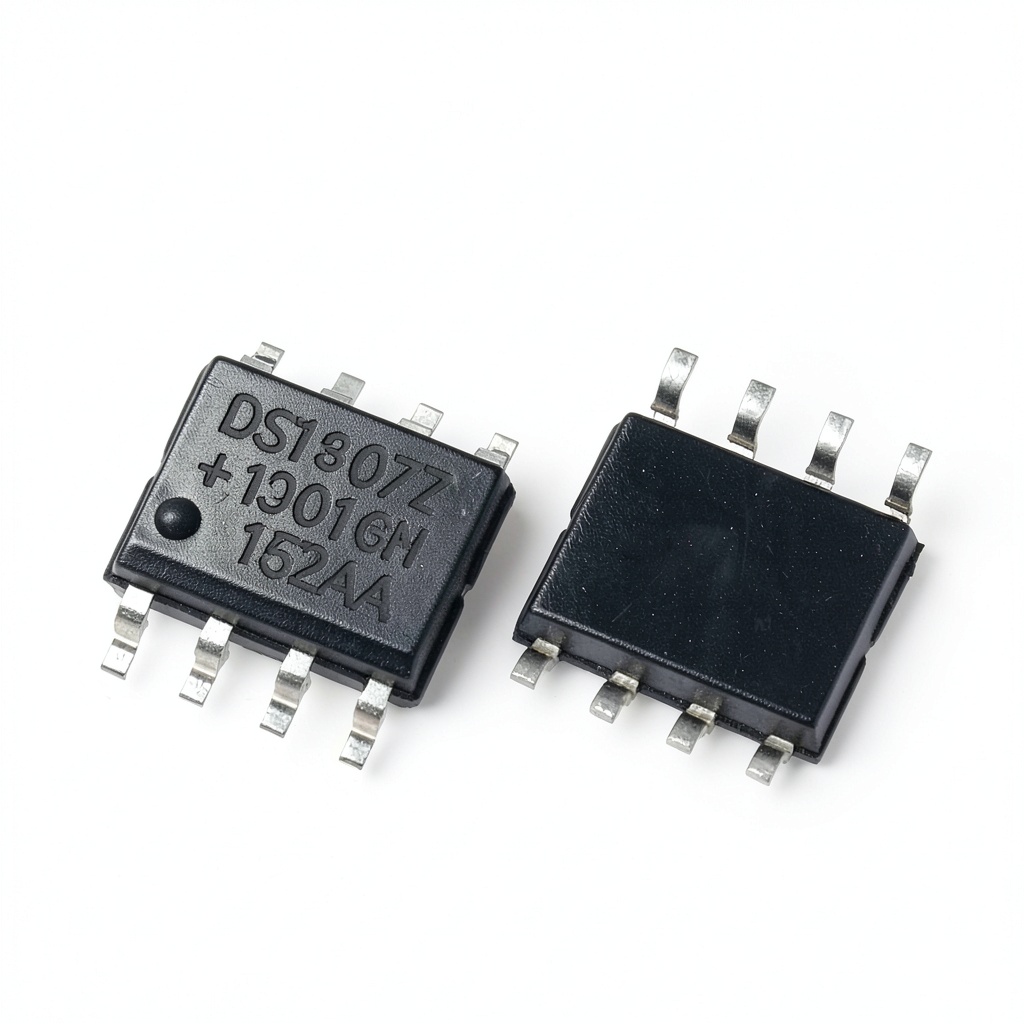
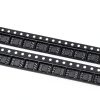
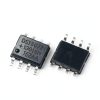
The DS1307 Generic Real-Time Clock (RTC) integrated circuit is engineered to provide highly accurate timekeeping for a broad spectrum of electronic applications. Featuring a 512‑kilobit serial EEPROM, the device stores calendar data, alarm settings, and user‑defined parameters, ensuring that critical timing information is retained even when power is removed. Packaged in a compact SOP‑8 form factor, the IC occupies minimal board space while delivering robust performance across a wide temperature range, from -40°C to +85°C. Its low power consumption makes it suitable for battery‑operated devices, and the built‑in crystal oscillator offers stability that meets the demands of industrial, automotive, and consumer electronics. The DS1307Z variant includes additional pins for enhanced flexibility, allowing designers to connect external crystal loads or integrate the chip into existing PCB layouts with ease. This 100‑piece lot provides ample inventory for prototyping, small‑scale production, and educational projects, ensuring that developers have reliable access to a trusted timing solution.
![[Product front view showing all components]](https://www.bestquickgo.store/wp-content/uploads/2026/07/f1f5d95b5faf4358b0c1a2346e30a831.jpg)
Usage
Designed with versatility in mind, the DS1307 RTC finds its place in a multitude of real‑world scenarios. In embedded systems, it serves as the backbone for time‑stamping events, synchronizing data acquisition modules, and managing power‑saving schedules. Data loggers benefit from its ability to maintain accurate timestamps for recorded measurements, even during extended periods of inactivity. In consumer appliances such as smart thermostats, security panels, and wearable devices, the RTC ensures that scheduled operations occur precisely when intended, enhancing user experience and reliability. Industrial automation equipment leverages the chip’s durability and temperature tolerance to coordinate process control loops, batch processing, and maintenance alerts. Additionally, hobbyists and educators use the DS1307 in Arduino and Raspberry Pi projects to explore concepts of timekeeping, alarm functions, and low‑power design, making it a valuable teaching tool for electronics curricula.
Why Choose Us
When selecting a real‑time clock solution, quality, consistency, and support are paramount. Our DS1307 Generic RTCs are sourced from reputable manufacturers that adhere to stringent quality control standards, guaranteeing each unit meets or exceeds industry specifications. We provide comprehensive documentation, including detailed datasheets, application notes, and reference designs, enabling engineers to accelerate development cycles and reduce time‑to‑market. Our commitment to customer satisfaction extends beyond the point of sale; we offer responsive technical assistance, firmware guidance, and troubleshooting resources to ensure seamless integration. The 100‑piece packaging offers cost‑effective bulk purchasing while maintaining the flexibility needed for iterative design and small‑batch production runs. By choosing our DS1307 RTCs, you gain a reliable component backed by a knowledgeable support team, ensuring your projects achieve the highest standards of performance and reliability.
Key Features
- Accurate timekeeping with built‑in crystal oscillator for stable performance
- 512 KB serial EEPROM stores calendar, alarm, and user data securely
- Compact SOP‑8 package saves board space and simplifies layout design
- Wide operating temperature range ensures reliability in harsh environments
- Dedicated technical support and comprehensive documentation for hassle‑free integration
FAQ
What is the difference between the DS1307 and DS1307Z models?
The DS1307Z variant includes an additional pin configuration that allows for external crystal loading and enhanced flexibility in PCB routing, while the core RTC functionality remains identical.
Can the DS1307 operate without an external battery?
Yes, the DS1307 can draw power from the main supply, but for uninterrupted timekeeping during power outages, a backup battery or super‑capacitor is recommended.
Is the 512 KB EEPROM user‑programmable?
Absolutely. The serial EEPROM can be accessed via I²C interface, allowing developers to read and write data such as timestamps, configuration settings, and custom logs.
What is the typical power consumption of the DS1307?
In active mode, the DS1307 consumes approximately 500 µA, while in standby mode with a backup battery it drops to around 3 µA, making it suitable for low‑power applications.
How do I integrate the DS1307 into an Arduino project?
Connect the SDA and SCL pins to the Arduino’s I²C bus, provide a 32.768 kHz crystal, and use the Wire library along with available RTC libraries to initialize and read time data.
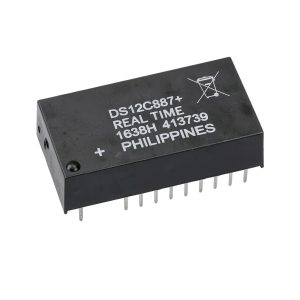
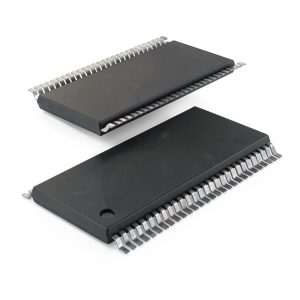
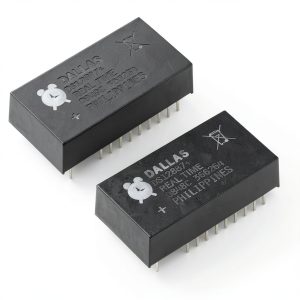
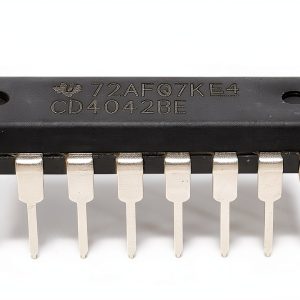 CD4042BE TI CMOS Quad Clocked D Latch IC DIP-16 Pack of 5
Reviews
There are no reviews yet.