
Description
Product Overview
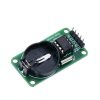
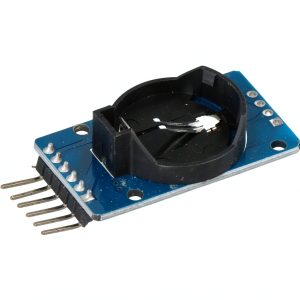
The Arrival RTC DS1302 module from cizihuu is a compact, high‑precision real‑time clock solution designed for a wide range of industrial and hobbyist projects. Built around the DS1302 chip, the module maintains accurate date and time information with a built‑in 32 KB battery backup that draws less than 1 mW when power is lost, ensuring uninterrupted operation for months on a single coin cell. The board features a 3‑pin interface compatible with standard microcontroller UART or SPI connections, making it straightforward to integrate with Arduino, Raspberry Pi, ESP32, and other popular development platforms.
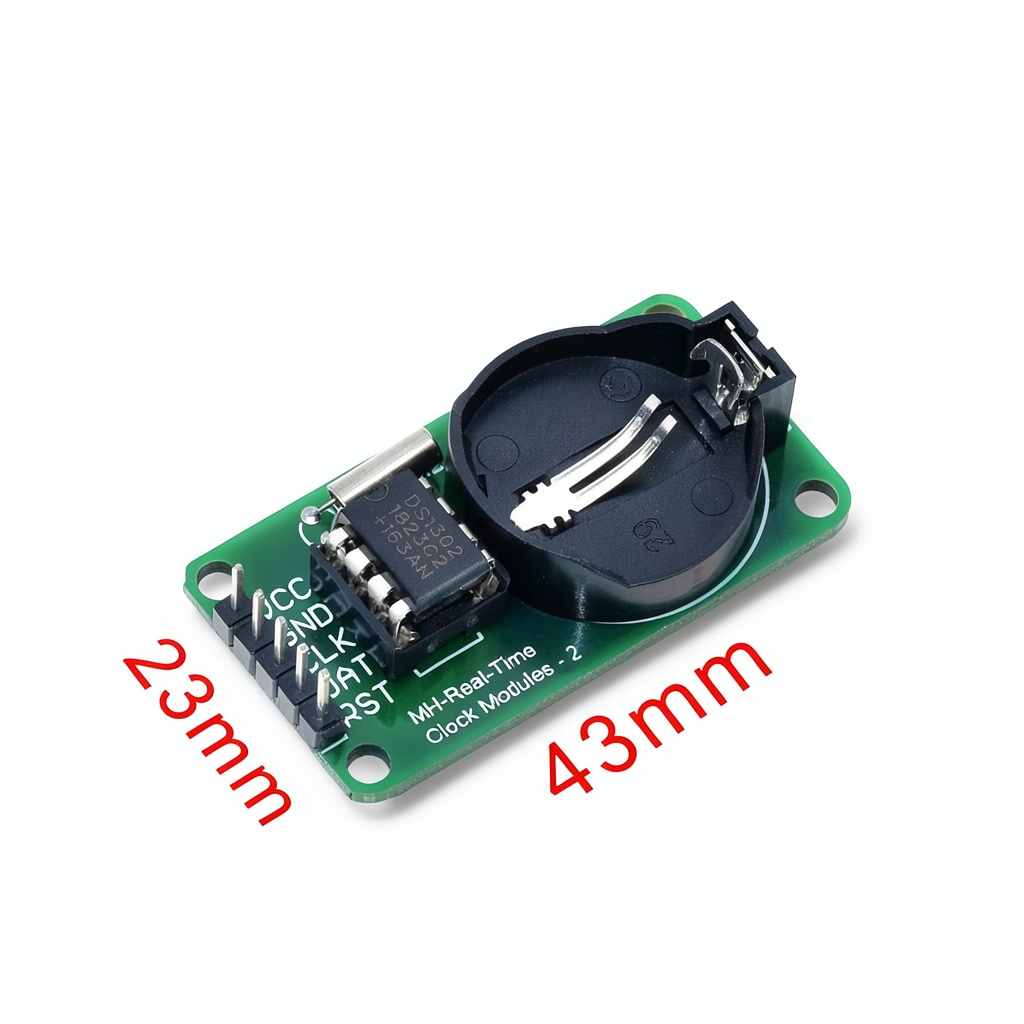
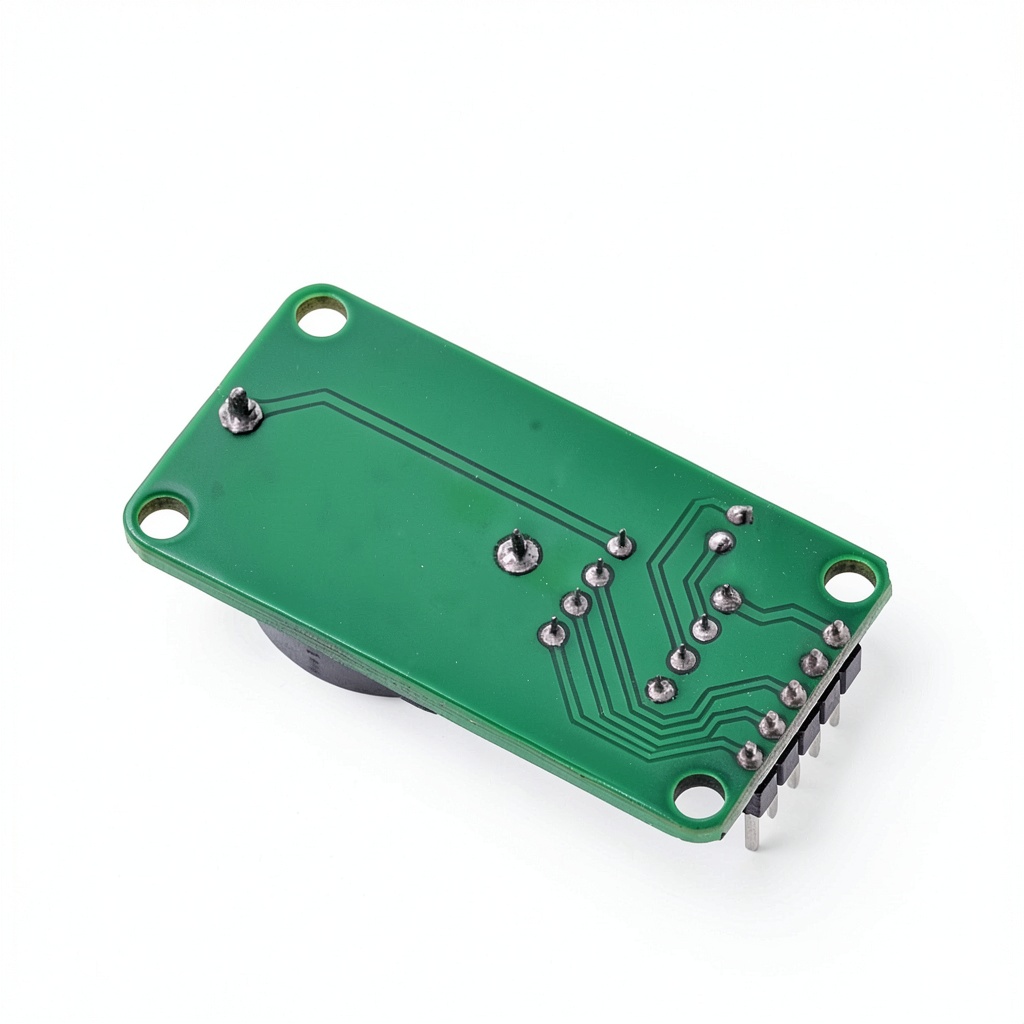
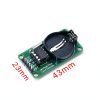
Mechanical construction uses a sturdy FR‑4 substrate with gold‑plated pins for reliable solderability and long‑term corrosion resistance. The module operates across a wide voltage range of 2.0 V to 5.5 V, supporting both 3.3 V and 5 V logic levels without additional level‑shifting components. Temperature compensation circuitry provides stable timekeeping from –40 °C to +85 °C, meeting the demanding environmental specifications of industrial automation, data logging, and remote sensor networks. The compact footprint (25 mm × 15 mm) allows placement on dense PCBs while leaving ample clearance for surrounding components.
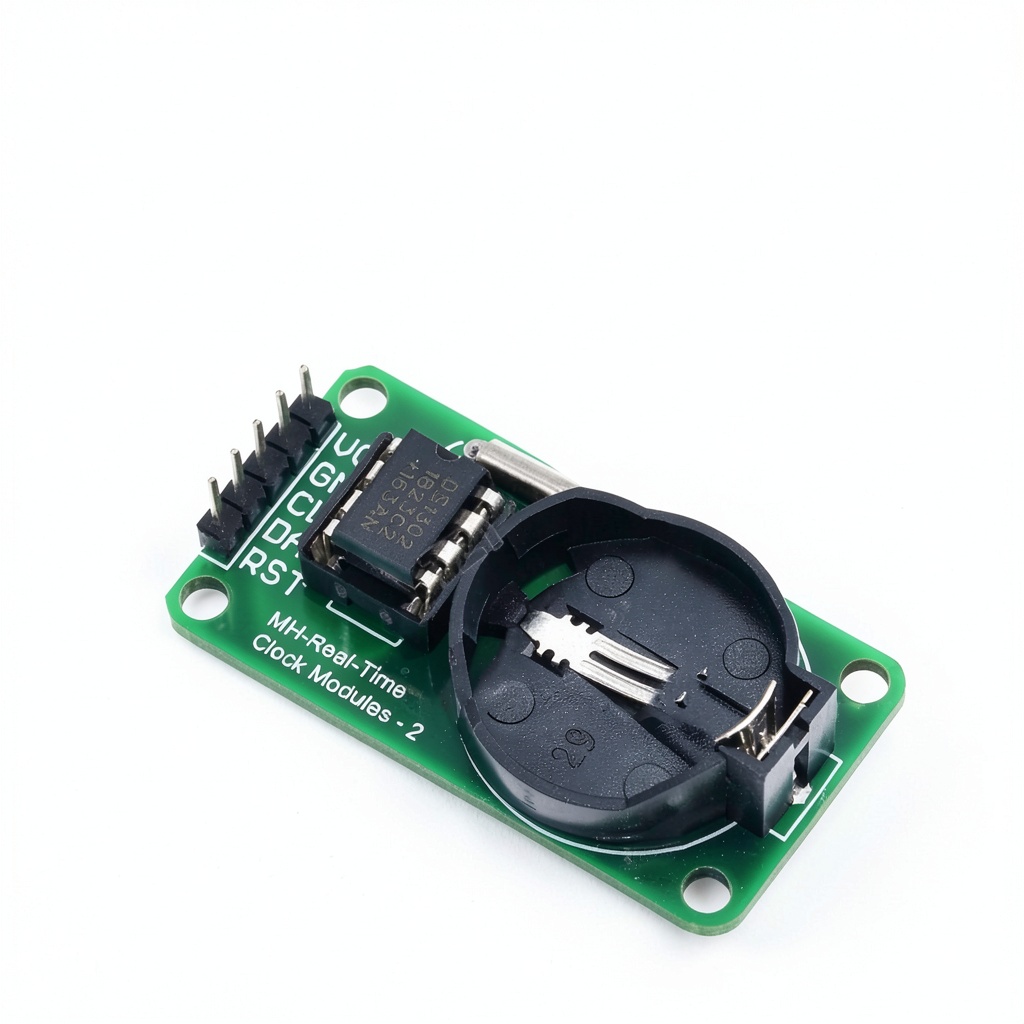
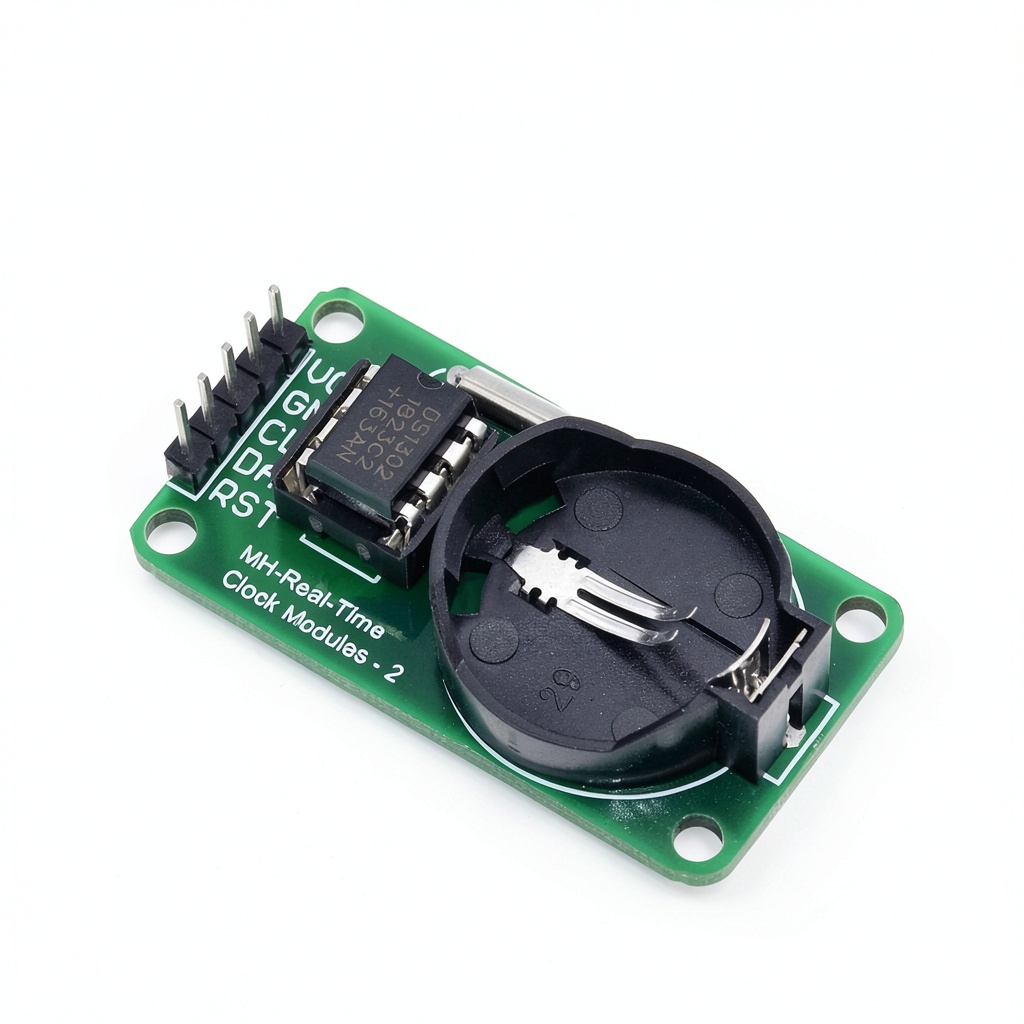
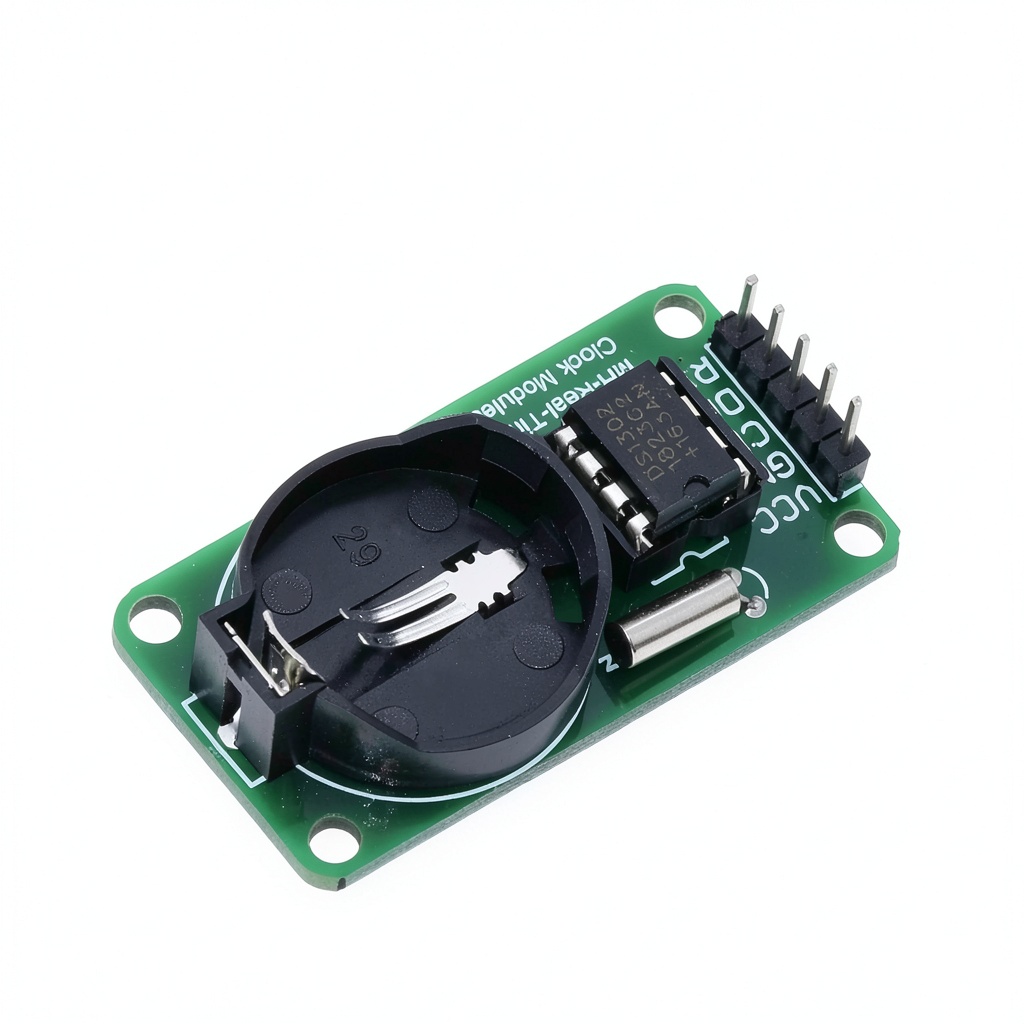
The module’s pin layout follows the standard DS1302 footprint, offering VCC, GND, CE (chip enable), I/O, and SCLK pins that map directly to common microcontroller ports. The internal register map includes seconds, minutes, hours, day, date, month, and year fields, as well as alarm registers and a 32 KB RAM area that can be accessed via simple read/write commands. Timing accuracy is maintained by a 32.768 kHz crystal, and the chip automatically compensates for the 1‑second drift that occurs at power‑down, thanks to its built‑in power‑down detection circuitry.
Reliability testing includes temperature cycling, humidity exposure, and vibration tests conforming to IEC 60068 standards. Each unit is subjected to 100 hours of continuous operation at 85 °C to verify long‑term stability, and a 10‑hour power‑loss simulation confirms data retention capabilities. The crystal oscillator is calibrated at the factory to achieve ± 20 ppm accuracy, providing dependable timekeeping for applications such as data acquisition systems, network time protocol (NTP) servers, and precision instrumentation.
The module incorporates an internal power‑down detection circuit that automatically switches the RTC to a standby mode when VCC falls below the operating threshold. In this mode, the crystal continues to oscillate while the digital logic is disabled, reducing overall consumption to under 0.5 mW. This feature is essential for applications that experience intermittent power, such as solar‑charged sensor nodes or devices with aggressive power‑saving strategies.
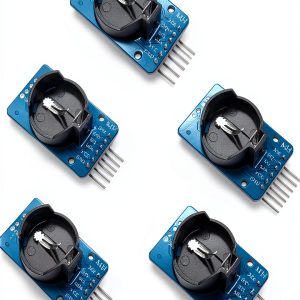
Designers benefit from the module’s clear silk‑screen labeling, which identifies each pin and its function, reducing the risk of wiring errors during prototype assembly. The recommended layout includes a 12 pF load capacitance for the crystal and a decoupling capacitor of 0.1 µF close to the VCC pin to filter noise. These guidelines help achieve the specified ± 20 ppm accuracy and ensure stable operation across the full temperature range.
The module complies with CE and FCC regulations, and it has passed electromagnetic compatibility (EMC) testing to meet the EN 55032 standard for digital equipment. These certifications guarantee that the product will not cause harmful interference and will operate reliably in environments with other electronic devices. Additionally, the RTC is RoHS‑compliant, ensuring it contains no restricted hazardous substances.
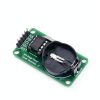
![[Product front view showing all components]](https://www.bestquickgo.store/wp-content/uploads/2026/08/ec41e7e95d1d4d2993377f780e3abf44.jpg)
Usage
Designed for low‑power embedded systems, the Arrival RTC DS1302 excels in battery‑operated devices such as wireless sensor nodes, portable data loggers, and wearable health monitors. Its sub‑milliwatt standby consumption means that a typical CR2032 coin cell can power the clock for over a year, freeing designers from frequent battery replacements.
In industrial settings, the module can be used to timestamp events in PLCs, synchronize time across distributed control units, and provide reliable time references for SCADA systems.
Because the DS1302 includes a built‑in 32 KB RAM, developers can store configuration parameters, calibration data, or short logs directly on the clock chip, reducing the need for external EEPROM. The module’s simple serial interface enables quick firmware development; a few lines of code are sufficient to set the time, read alarms, or retrieve the stored RAM contents. This makes the RTC an ideal choice for educational kits, prototype boards, and production‑grade devices that require accurate timekeeping without adding significant cost or complexity.
In automotive and marine environments, the DS1302’s robust voltage tolerance and wide temperature range make it suitable for on‑board diagnostics, navigation systems, and infotainment timing modules. The low power draw reduces load on vehicle batteries, while the built‑in alarm can trigger scheduled maintenance reminders or system wake‑ups. Marine applications benefit from the module’s resistance to salt‑water corrosion when combined with conformal coating, ensuring reliable operation on vessels and offshore platforms.
For Internet of Things (IoT) and smart‑home devices, the RTC provides a trusted time base for event scheduling, data timestamping, and power‑management algorithms. When paired with low‑power wireless modules such as LoRa or BLE, the system can enter deep‑sleep mode for weeks, waking only to transmit sensor readings at predefined intervals. The module’s simple serial protocol reduces firmware size, preserving precious flash memory on constrained microcontrollers.
Smart‑city infrastructure, such as street‑light controllers and environmental monitoring stations, relies on synchronized timestamps to correlate data from dispersed sensors. The DS1302’s reliable time base enables these systems to log events with precise chronology, facilitating analytics and predictive maintenance. Wearable health trackers also use the RTC to timestamp biometric readings, ensuring that heart‑rate, activity, and sleep data are accurately sequenced for later analysis.
Remote monitoring stations powered by solar panels benefit from the RTC’s ultra‑low standby current, allowing the system to remain dormant for days while preserving the time base. When sunlight returns, the microcontroller can quickly retrieve the stored date and time, resume data acquisition, and resume communication with cloud services without needing to re‑synchronize via GPS or network time protocols.
In industrial automation, the RTC can be integrated into PLC modules to provide time stamps for event logging, batch processing, and shift scheduling. Its ability to retain time data during power outages ensures that production records remain continuous, which is critical for quality control audits and regulatory compliance. The module’s simple interface allows seamless integration with existing PLC programming environments.
Why Choose Us
cizihuu manufactures the Arrival RTC DS1302 with a focus on quality control and component traceability. Each batch undergoes rigorous testing for frequency accuracy, power‑down retention, and temperature stability, ensuring that the delivered modules meet or exceed the specifications published by the original DS1302 datasheet. Our production facilities employ automated optical inspection (AOI) and X‑ray verification to detect solder defects and hidden shorts, guaranteeing a high yield of reliable units.
Beyond the hardware, we provide comprehensive technical support, including detailed datasheets, reference schematics, and example code libraries for popular development environments. Our engineering team is available to assist with integration challenges, firmware debugging, and custom configuration requests, helping customers accelerate time‑to‑market. We also offer a flexible return policy and a one‑year warranty that covers manufacturing defects, reinforcing confidence in the long‑term performance of the product.
Environmental responsibility is part of our design philosophy. The module is RoHS compliant, free from hazardous substances such as lead, mercury, and cadmium. Packaging is optimized for minimal waste, using recyclable cardboard and reduced plastic inserts. By choosing the Arrival RTC DS1302, customers benefit from a sustainable, high‑quality component that aligns with modern regulatory and corporate sustainability goals.
Our manufacturing process complies with ISO 9001 quality management standards and ISO 14001 environmental management guidelines. All components are sourced from vetted suppliers with traceable lot numbers, enabling full batch verification and rapid recall if necessary. We maintain a stocked inventory of critical parts to guarantee short lead times, and our logistics network offers worldwide shipping with customs‑clearance support, ensuring that customers receive the product promptly and in perfect condition.
Our after‑sales service includes a dedicated help desk, online ticketing system, and access to a knowledge base containing application notes, firmware updates, and troubleshooting guides. Customers can also request on‑site training sessions or virtual webinars to accelerate product integration. We pride ourselves on rapid response times, typically resolving technical inquiries within 24 hours, ensuring minimal downtime for critical projects.
We are committed to reducing our environmental footprint through responsible sourcing, energy‑efficient manufacturing, and recycling programs. Our partners participate in e‑waste collection initiatives, and we encourage customers to return used modules for proper disposal. By fostering a community of sustainable practices, we help the electronics industry move toward a greener future while delivering reliable products.
Key Features
- Ultra‑low power consumption under 1 mW, extending battery life for remote and portable devices.
- Wide operating voltage (2.0 V‑5.5 V) supports both 3.3 V and 5 V systems without extra circuitry.
- Integrated 32 KB RAM enables on‑chip storage of configuration data and short logs.
- Robust temperature range (‑40 °C to +85 °C) ensures reliable timekeeping in harsh environments.
- Dedicated technical support and one‑year warranty provide peace of mind and rapid issue resolution.
FAQ
What type of battery should I use for backup power?
The module is designed to work with a standard 3 V coin cell such as CR2032. Any battery that provides a stable 3 V output and fits within the 1 mW power budget will maintain the clock’s accuracy for many months.
Can the RTC be used with a 5 V microcontroller?
Yes. The DS1302 operates up to 5.5 V, so it can be directly interfaced with 5 V logic devices. No level‑shifter is required, simplifying circuit design and reducing component count.
How do I set the alarm function?
Using the serial interface, you write the desired alarm time to the appropriate registers. The module can generate an interrupt signal when the alarm triggers, which can be connected to a microcontroller pin to wake the system from sleep.
Is the module suitable for high‑precision time stamping?
While the DS1302 provides good accuracy for most applications, it is not a temperature‑compensated crystal oscillator (TCXO). For sub‑second precision in demanding environments, consider adding a crystal with tighter tolerance or using a higher‑grade RTC such as the DS3231.
Can I use the module with a crystal of a different frequency?
The DS1302 is designed to operate with a 32.768 kHz crystal, which provides the standard time‑keeping division required for seconds, minutes, and hours. Using a crystal with a different frequency will disrupt the internal timing algorithm and lead to inaccurate timekeeping. If a different frequency is required for a specific application, a different RTC chip such as the DS1307 or DS3231, which support alternative crystal values, should be selected.
What is the accuracy of the clock over time?
Factory‑calibrated at 25 °C, the DS1302 typically achieves an accuracy of ± 20 ppm, which translates to about ± 1.7 seconds per day. Temperature variations can affect this rate; the module’s built‑in temperature compensation reduces drift across the –40 °C to +85 °C range, keeping error within ± 30 ppm for most operating conditions. For applications demanding tighter precision, periodic calibration or the use of a temperature‑compensated RTC like the DS3231 is recommended.
How do I connect the module to my microcontroller?
The DS1302 uses a simple three‑wire serial interface: CE (chip enable), I/O (data line), and SCLK (serial clock). Connect CE to any digital output pin, SCLK to a clock‑capable pin, and I/O to a bidirectional pin that can be switched between input and output. Pull‑up resistors (4.7 kΩ) on the I/O line improve signal integrity. Most Arduino and ESP32 libraries provide ready‑made functions to initialize the pins, set the time, and read the registers with just a few lines of code.
What is the recommended crystal load capacitance?
For optimal oscillator performance, the DS1302 requires a load capacitance of approximately 12 pF on each side of the crystal. This value is achieved by placing two equal capacitors (typically 12 pF to 22 pF) between each crystal terminal and ground, taking into account the crystal’s own stray capacitance. Selecting capacitors within this range ensures the oscillator starts reliably and maintains the ± 20 ppm accuracy across the specified temperature range.
Reviews
There are no reviews yet.